|
anglais seulement |
FSV-School of Life Sciences
>
The Global Health... |
|
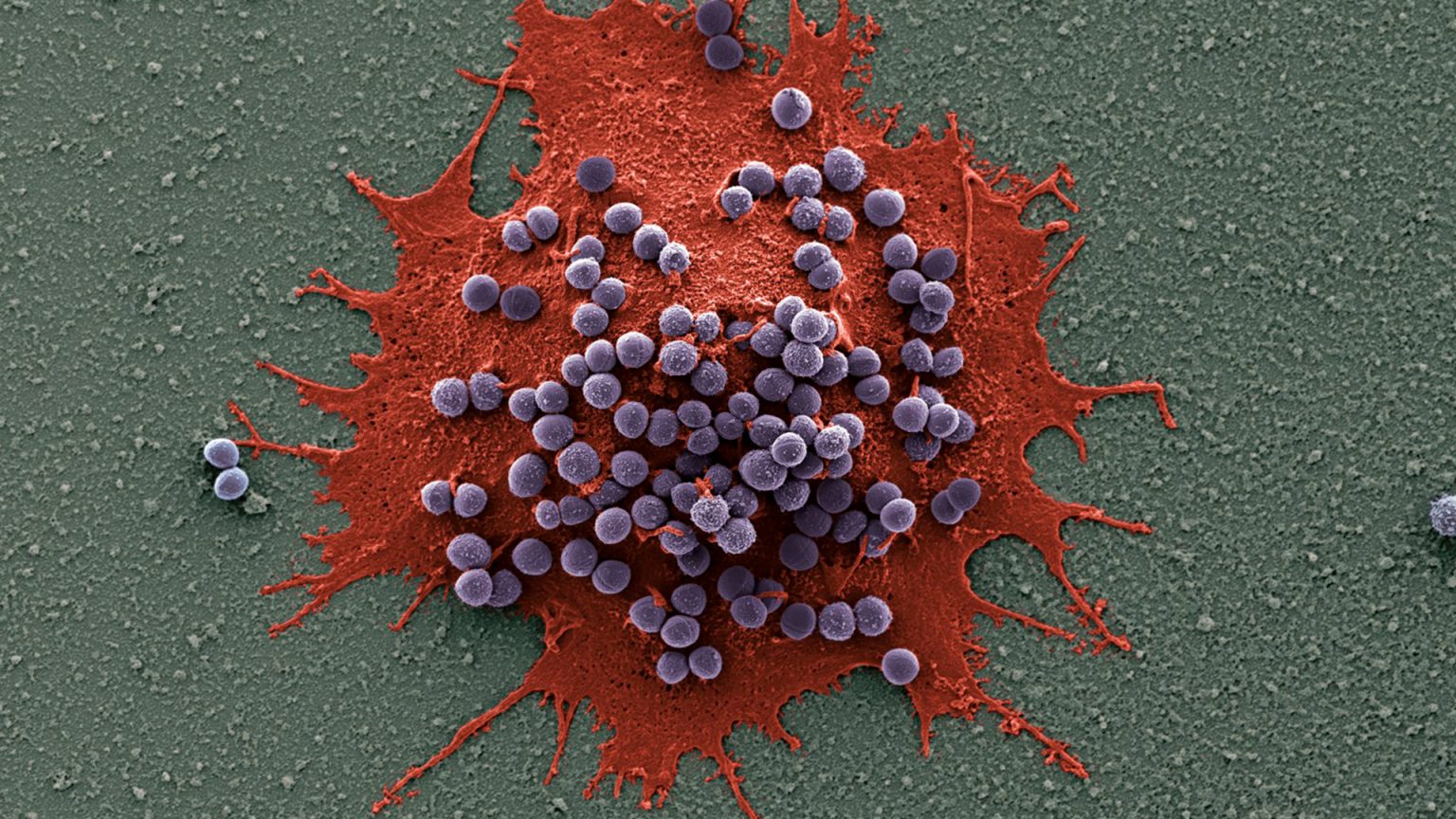
Mission of the Global Health InstituteThe Global Health Institute (GHI) has been created to contribute to the understanding, diagnosis, prevention and treatment of infectious diseases, which still claim 18 million lives each year and account for half of the deaths in the developing world. The GHI is currently composed of 8 groups, whose activities already reflect the Institute's future ambitions. Basic mechanisms of host-pathogen interactions and innate immunity towards pathogens are being studied using multidisciplinary approaches. Crucial world health issues, like tuberculosis and HIV/AIDS, are being tackled. These include understanding, and hopefully counteracting, the persistence of Mycobacterium tuberculosis, the causative agent of tuberculosis, or designing drugs to treat this disease. Mechanisms of HIV infection and use of this virus in gene therapy approaches are also the subject of intense research. Further recruitment is planned, in particular of talented young researchers, to extend these efforts to other pathogenic bacteria and viruses. Intensification of current research themes by including novel technological approaches is also a priority. SAVE THE DATE !!!
Web News14.01.2010 : Biologists wake dormant viruses and uncover mechanism for survival. It is known that viral "squatters" comprise nearly half of our genetic code. These genomic invaders inserted their DNA into our own millions of years ago when they infected our ancestors. But just how we keep them quiet and prevent them from attack was more of a mystery until EPFL researchers revived them. The reason we survive the presence of these endogenous retroviruses-viruses that attack and are passed on through germ cells, the cells that give rise to eggs and sperm-is because something keeps the killers silent. Now, publishing in the journal Nature, Didier Trono and his team from EPFL, in Switzerland, describe the mechanism. Their results provide insights into evolution and suggest potential new therapies in fighting another retrovirus-HIV ...more 8.12.2009 : Congratulations to Prof. Stewart Cole and his team who have been awarded the Kochon Prize, foreseen for persons, institutions, or organizations that have made a highly significant contribution to combating tuberculosis; Professor Stewart Cole will share this prize with Ms Lucy Chesire, a leading international patient activist who has achieved important TB advancements at both global and regional levels, on the 5th of December this year. They will share the prize that consists of a medal and US$ 65,000...more 25.11.2009 : We are glad to announce the creation of a joint research unit INSERM-EPFL. This new unit is located within the Global Health Institute and is directed by Prof. Christian Doerig. The group studies the role of protein phosphorylation in the control of cell proliferation and differentiation in Plasmodium falciparum, the parasitic protist responsible for the most virulent form of human malaria; one of the objectives is to identify protein kinase inhibitors that can represent leads for the development of novel antimalarials. The laboratory has made important contributions to the fields of signal transduction, cell cycle control and kinomics in malaria parasites The team... 02.11.2009 : Leprosy still affects hundreds of thousands of people today throughout the entire world. An international team headed by EPFL professor Stewart Cole has traced the history of the disease from ancient Egypt to today and in doing so has made a public health study essential for combating the disease...more Research fieldsLaboratory of Prof. Melanie Blokesch |
Contact Head of the Institute
Administration Address EPFL-SV-GHI Station 19 CH-1015 Lausanne Ph:+41 (0)21 693 17 94 Fx:+41 (0)21 693 95 38 General information :
Location
NEW
PRESENTATION |